Care once lived in the hands
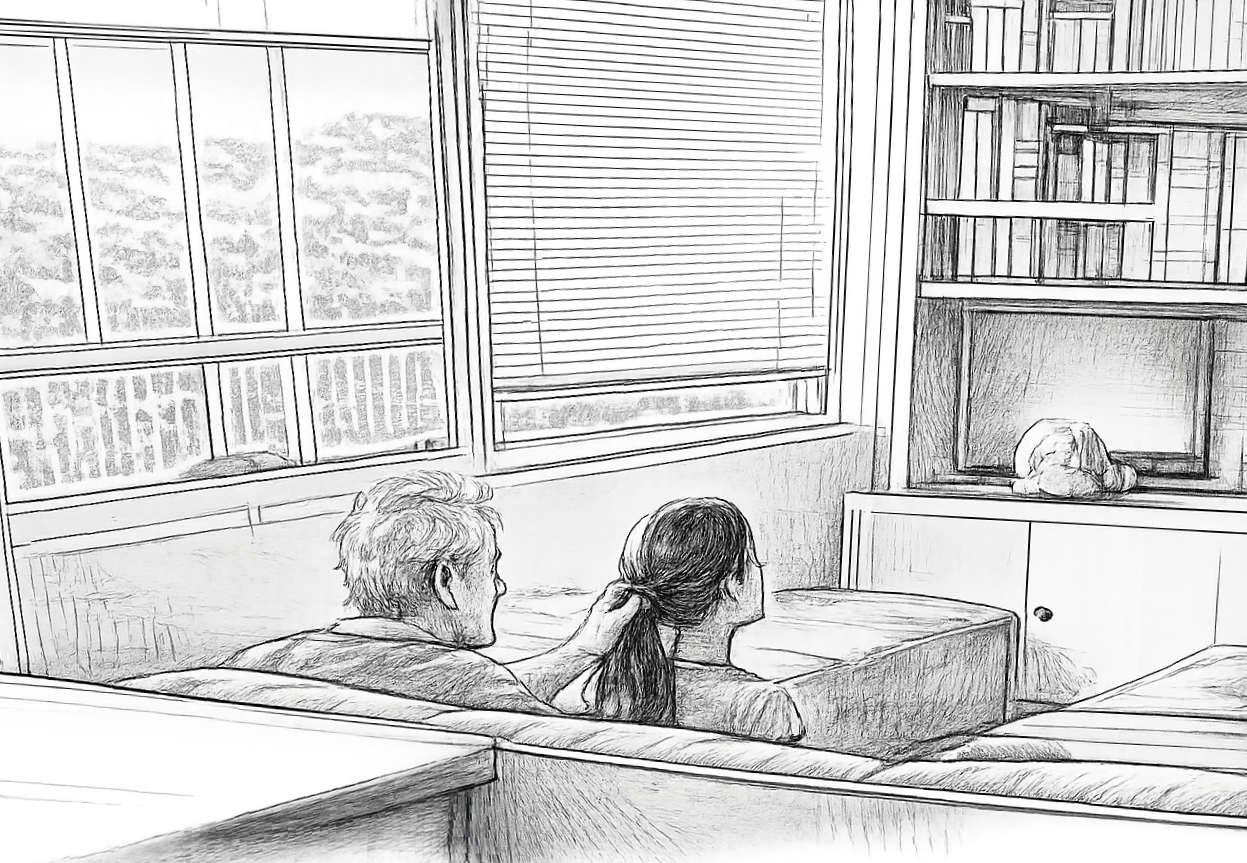
There was a time when care looked like a steel bowl warming in the sun.
Before salons and self-care routines became appointments on a calendar, oiling your hair was simply something people did for one another. In most Indian homes, it happened over the weekend. An elder is sitting behind you. Fingers parting your hair with instinct. The smell of coconut or mustard oil lingered long after the ritual was over.
Sometimes it happened on the rooftop under the soft winter sun, wrapped in sweaters but chasing warmth wherever it landed. Sometimes it happened in front of the television while the same familiar serial played in the background because there was only one channel anyway. Nobody announced it as quality time. Nobody called it mindfulness. Yet somehow, it held both.
You sat on the floor between someone’s knees, and the world slowed down.
The oil would be poured into palms and worked into the scalp slowly, firmly, lovingly. Circular motions that felt less like grooming and more like reassurance. Questions arrived casually in between.
How was school today? Did you eat properly? Why were you upset this morning? What do you want to become when you grow up? And sometimes there were no questions at all. Just silence is comfortable enough to sit inside together.
I often think about how much love used to live in the hands.
Not performative love. Not optimized love. Not scheduled love. But ordinary, tactile care. Care that required time. Attention. Nearness. Care where someone physically paused their day to tend to you.
Today, we speak so much about loneliness, disconnection, and the loss of community. We search for solutions in apps, systems, retreats, and endless noise. But I wonder if part of what we long for is much simpler.
The beauty of hair oiling was never really about the oil. It was about the permission it created. To linger. To touch. To listen without rushing. To be held without needing a reason. There was no end goal except being together.
At Lalibae, I find myself thinking often about these kinds of moments. The small human rituals that shaped us without us realizing it. Sitting on kitchen counters while someone cooked. Peeling peas together. Chatting away the night with cousins about nothing and everything. Sharing oranges in winter sunlight. Hair oiling on rooftops in the winter sun.
None of it looked important then. Yet somehow, it became a memory. And memory became longing.
Maybe that is why spaces of connection feel so difficult to recreate now. We try to manufacture intimacy through events and structured experiences, while forgetting that closeness often arrives sideways. Through doing something with our hands. Through repetition. Through care embedded in ordinary acts.
Maybe the future we are searching for is hidden inside these older rhythms.