The Same Leaf: 02
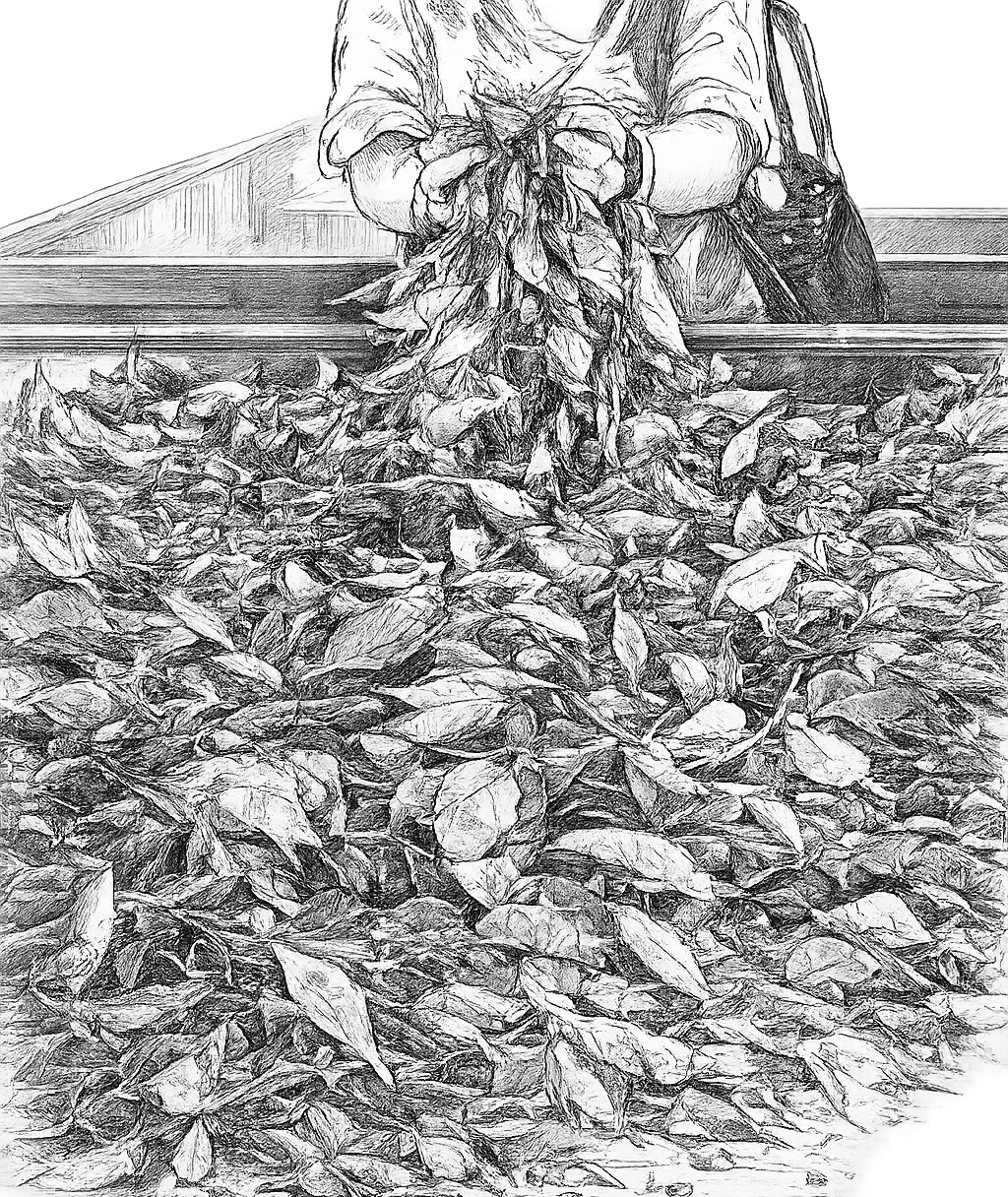
In the beginning, I thought of tea as a collection of distinct things.
White tea. Green tea. Oolong. Black tea. Pu-erh.
Different plants. Different origins. Different identities. But the deeper I go, the more I discover that much of what we call tea begins exactly the same way.
The same leaf. That feels important, not because of tea, but because of people.
We spend so much of our lives trying to understand what makes things different. Tea keeps asking a different question.
What creates difference when the beginning is the same?
A tea leaf is picked. What follows determines almost everything. How long it rests? How much time passes before the next step? Whether heat arrives immediately or much later. Whether the leaf is left largely untouched or carefully shaped along the way. Whether it reaches a cup within months or spends years waiting.
The leaf remains the leaf. And yet the cup can become something entirely different.
The study of tea feels more of a lesson about what happens after the beginning. Because very few of us are explained by where we started.
A starting point tells only part of the story, the rest is written slowly. By the places we find ourselves, the people who leave an imprint, the responsibilities that arrive unexpectedly, the conversations that stay with us for years, the seasons that ask something of us before we feel ready.
Tea makes that visible in its own way.
White tea is handled very little. It remains remarkably close to the leaf that was first picked. Gentle, delicate, almost transparent in its character.
Green tea takes another path. The leaf is heated soon after harvest, preserving its freshness. There is an immediacy to it. A brightness that feels almost suspended in time.
Oolong lingers somewhere in the middle. Not rushed toward one outcome or another. Its character unfolds gradually. A tea shaped as much by attention as by process.
Black tea travels further still. The leaf darkens, the flavors deepen. Something familiar begins to reveal another side of itself.
And then there is pu-erh. A tea that continues changing long after most teas have settled into what they are.Years pass, sometimes decades. Time remains part of the process.
None of these teas are better than the others.
Tea does not seem particularly concerned with heirarchy.
White tea is not an unfinished black tea. Black tea is not a white tea that somehow succeeded. They are simply different expressions of the same leaf. I wonder how often we forget that.
We spend so much time measuring lives, comparing timelines, treating life as though there is a correct sequence of milestones waiting to be completed.
Tea suggests otherwise. One leaf, many expressions. Not because one path is right and another is wrong. Simply because there is more than one way to arrive.
The more I study tea, the less interested I become in the final cup. What captures my attention is the space in between. The period after the leaf is picked and before it becomes recognizable as the tea we know.
That quiet interval where so much takes shape, gradually. Perhaps that is why tea continues to reveal more than I expect.
Every lesson that begins with a leaf seems to lead somewhere else - into history, memory and hospitality.
And increasingly, into questions about what it means to live a life.
Tea reminds me that beginnings matter, but they are rarely the most interesting part of the story.